
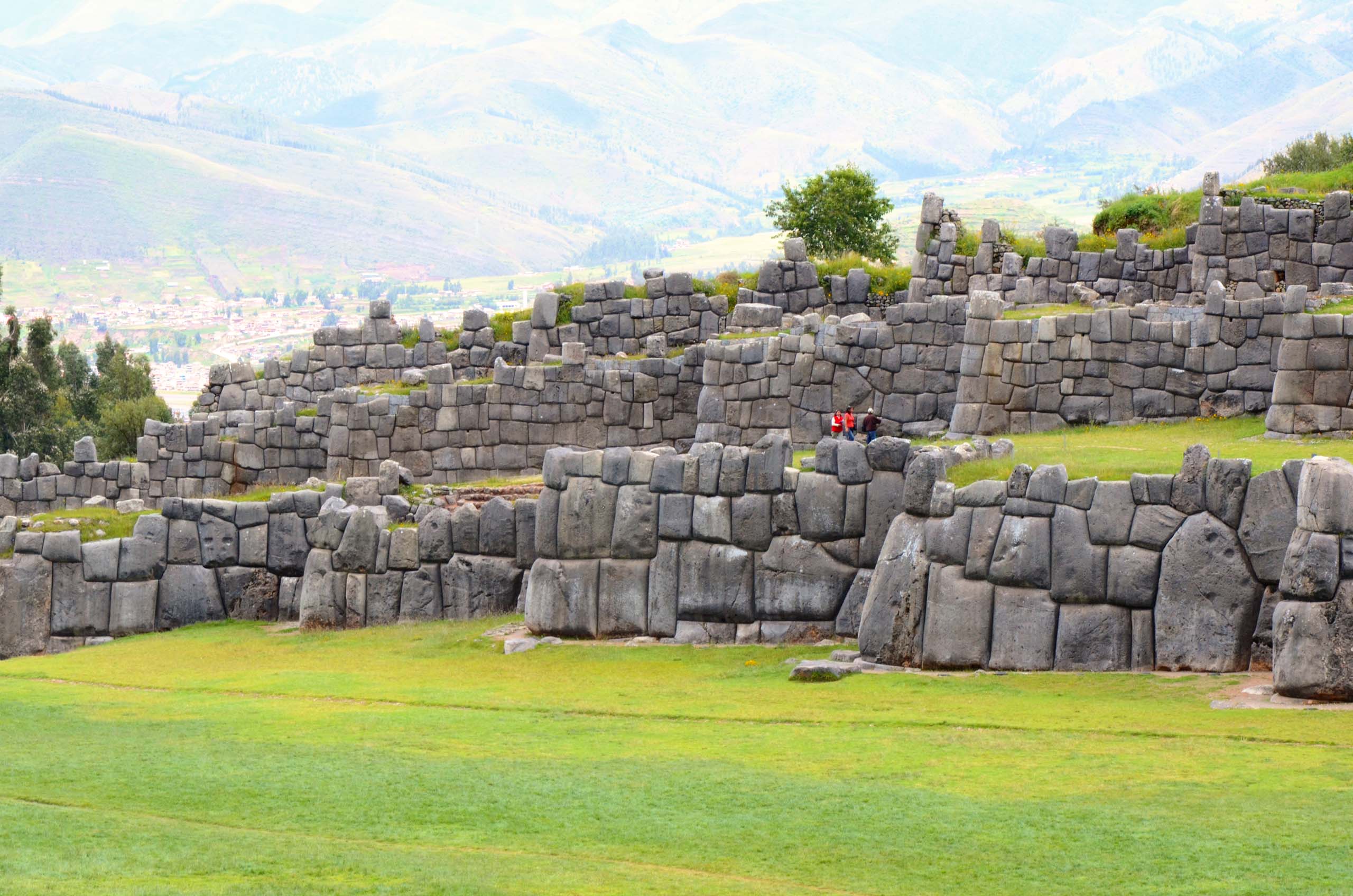
Sacsayhuamán is an example of Inca architecture and engineering that was built between the 14th and 15th centuries. It became an important place after the llaqta of Qosqo and was known as “The House of the Sun of Hanan Qosqo”. Its structures blend harmoniously with the surrounding topography and landscape.
Before the expansion of the Inca Empire, this area was inhabited, according to studies, by the Killke culture. The construction of the Inca fortress was started by the Inca Pachacútec around 1350 AD and completed by his grandson, the Inca Huayna Cápac. It is believed that its construction lasted more than 90 years and required more than 20,000 workers under the mita system (collective labor).
With the arrival of the Spanish, Sacsayhuamán became a battlefield and a key point for the Inca resistance. After the battles ended, the site was dismantled and many of its stones were reused for the construction of churches, such as the Cathedral of Cusco. Over time, Sacsayhuamán lost importance, eventually becoming abandoned and even being used as a quarry for the construction of local houses. In 1983, the city of Cusco was declared a UNESCO World Cultural Heritage Site, a recognition that includes its Historic Center and main monuments.
The word Sacsayhuamán comes from the Quechua terms “Sacsay”, meaning “satisfied”, and “huamán”, meaning “falcon”. Therefore, its interpretation in Spanish would be “The satisfied falcon”.
The Festival of the Sun was a ceremony that was part of Inca religion and was held during the winter solstice. During this celebration, offerings and sacrifices were made in honor of the Sun God. The Incas used astronomy to create their calendar, determine the beginning of the dry and rainy seasons, and establish the start dates of agricultural activities through the observation of the sun’s position during solstices and equinoxes.
Sacsayhuamán was initially built with a religious purpose, in honor of the god Illapa, “the god of thunder”, among other Inca deities. However, after the arrival of the Spanish, it became a battlefield and was later referred to by the Spanish as a “fortress”.
The archaeological park contains important architectural and natural elements, each with its own meanings and history, such as:
They are known as Muyucmarca, Paucarmarca, and Sallaqmarca and are located on top of the bastions (zigzag-shaped walls). During the Inca period, these towers were arranged in a straight line at the top of the hill. This area had abundant water, and today it is still possible to see part of the ancient aqueducts.
Today, only the foundations of the towers remain. The buildings were destroyed during the early colonial period, and their foundations were covered with earth. They were later located and restored by Dr. Luis E. Valcárcel.
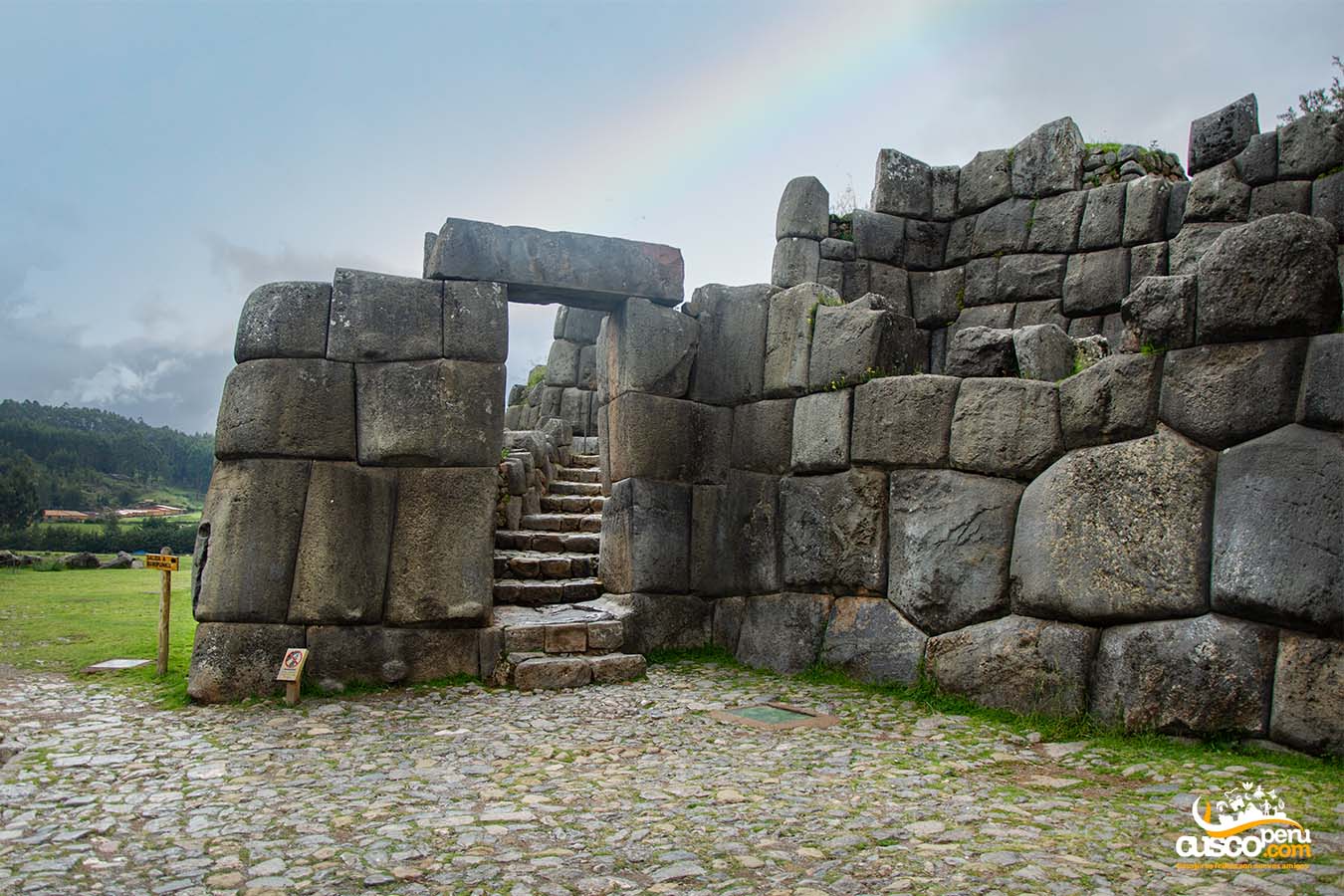
This group of chambers is located on the top of the hill, south of and a short distance from the towers. They are rooms built against the hillside, with views of the plazas of the Inca city. The chambers are characterized by being long and narrow, connected by a series of trapezoidal doorways. Their walls are made of irregular polygonal stones, with carefully polished faces and edges.
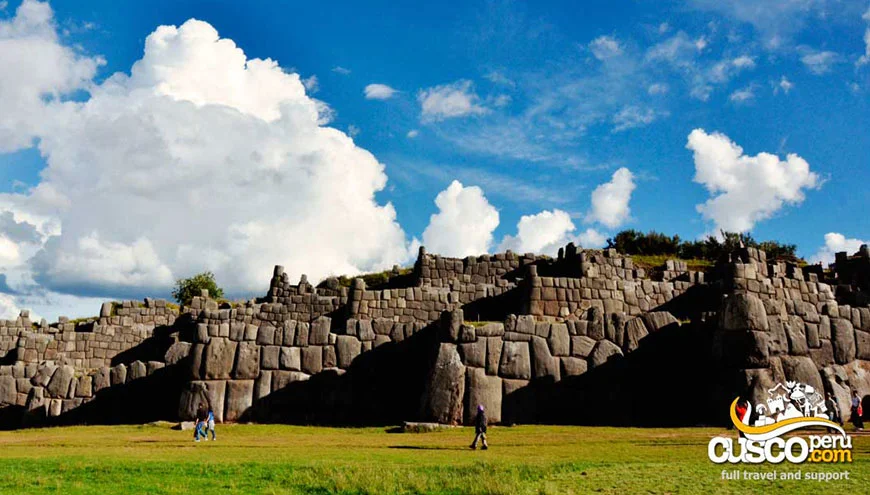
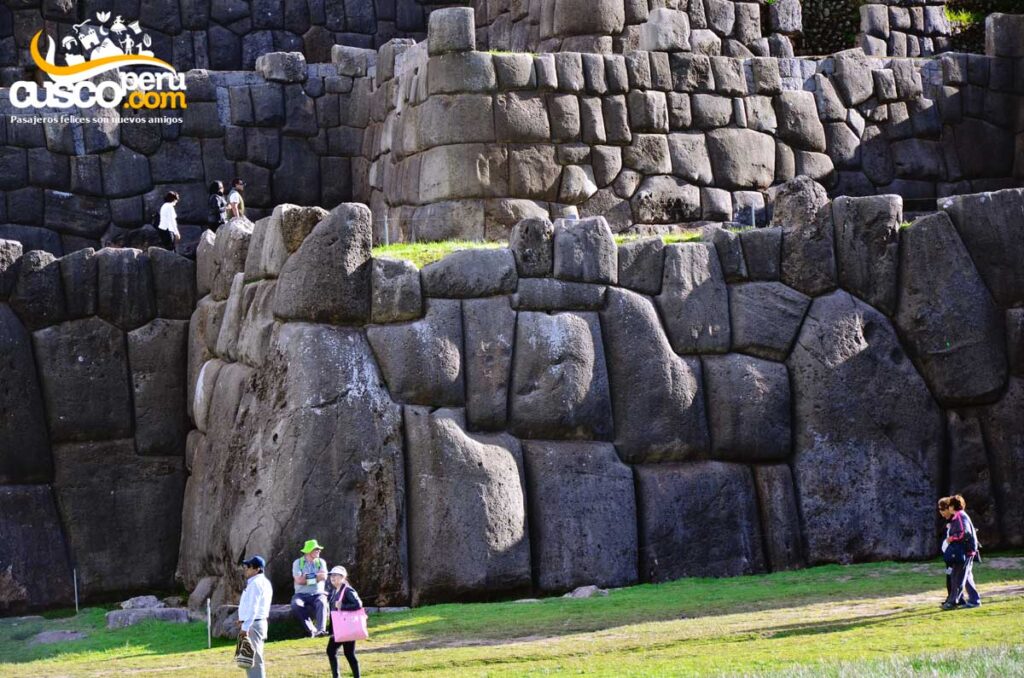
They are the three platforms that form a series of alternating projections and recesses, created by walls made of limestone blocks. These irregular polygonal stones were perfectly assembled, demonstrating the advanced construction techniques of the Incas.
Located in the central and middle section of the bastions, these trapezoidal-shaped gates served as entrances to the area of the towers. The three main gates are: T’iopunku, Ajawanapunku, and Wiracochapunku.
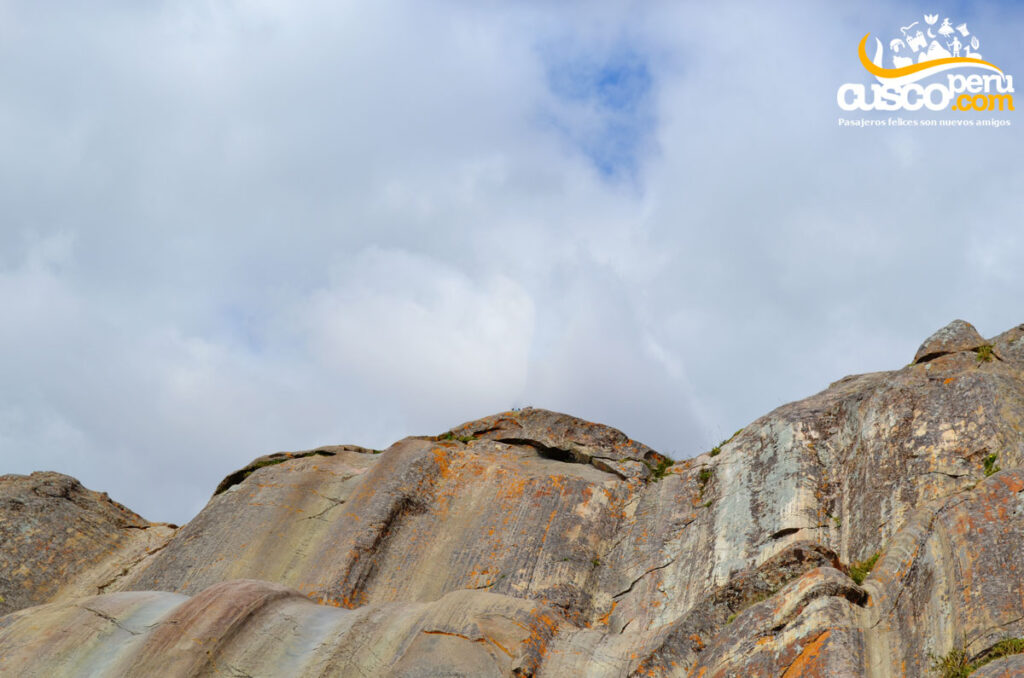
Geologically, it is a natural diorite formation of volcanic origin, which emerged with curved surfaces and grooves that resemble slides.
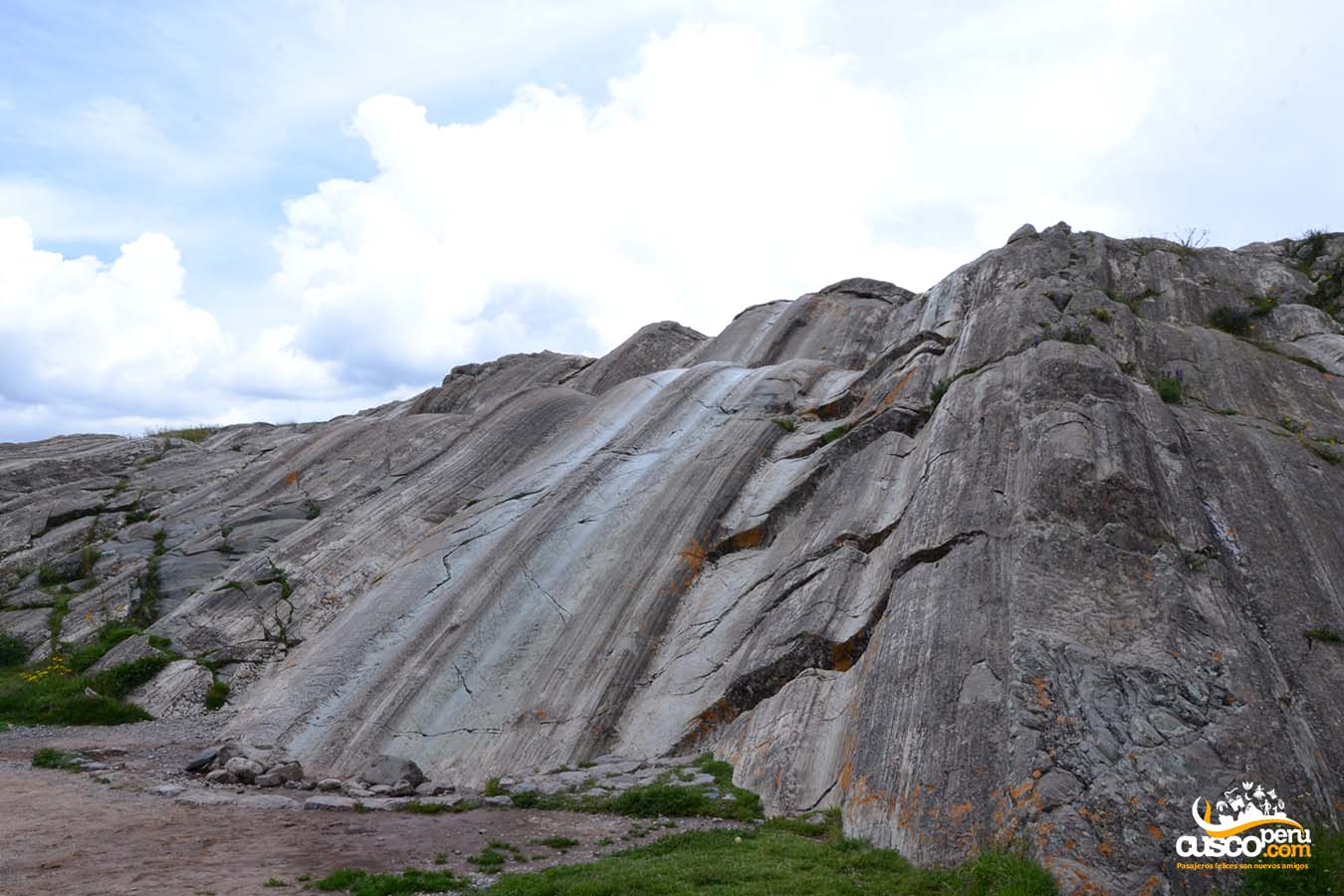
This expression is interpreted as “where the monkey climbs”. It is a succession of carved seats made from diorite rock, created with a strong aesthetic sense. It is located on the eastern side of the hill and offers a panoramic view of the archaeological complex.
There are two chincanas. The smaller one, located near Warmi K’acchana, is short and has become a point of interest for visitors. The larger one is located farther north, beneath a large limestone rock. This passage is flooded and access is not permitted.
There are many stories and theories about the origin of the chincanas, including questions about why and for what purpose these so-called “labyrinths” were built. Some believe they were connected to different Inca constructions; however, their true purpose remains a mystery.
There are also dozens of legends told by ancient Cusco inhabitants, as well as accounts written by chroniclers such as Inca Garcilaso de la Vega, including stories about a possible connection between Sacsayhuamán and Qoricancha, and mysterious appearances of ancient inhabitants of Cusco.
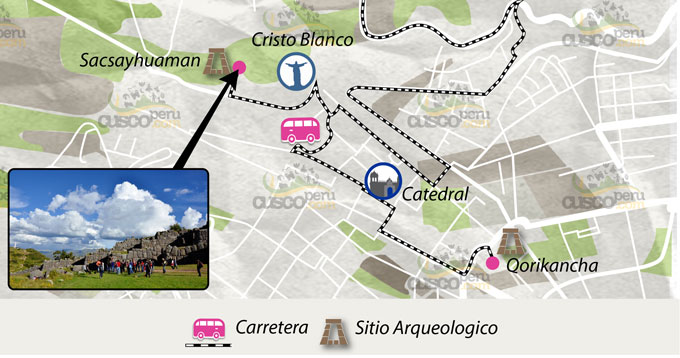
Sacsayhuamán is located north of the main square of the city of Cusco. To reach Sacsayhuamán, you can take a City Tour.
The archaeological site is divided into several sectors: Sacsayhuamán, Rodadero, Inca’s Throne, Warmi K’ajchana, Inca’s Bath, Amphitheaters, Chincana, and Tower Foundations, among others.
The climate of Cusco is highly variable, with a rainy season during the months of December, January, February, and March, and a dry season from May to August. However, due to the altitude of Sacsayhuamán (3,700 m above sea level), the area generally has a cold climate. Weather conditions may also vary depending on the month of your visit.

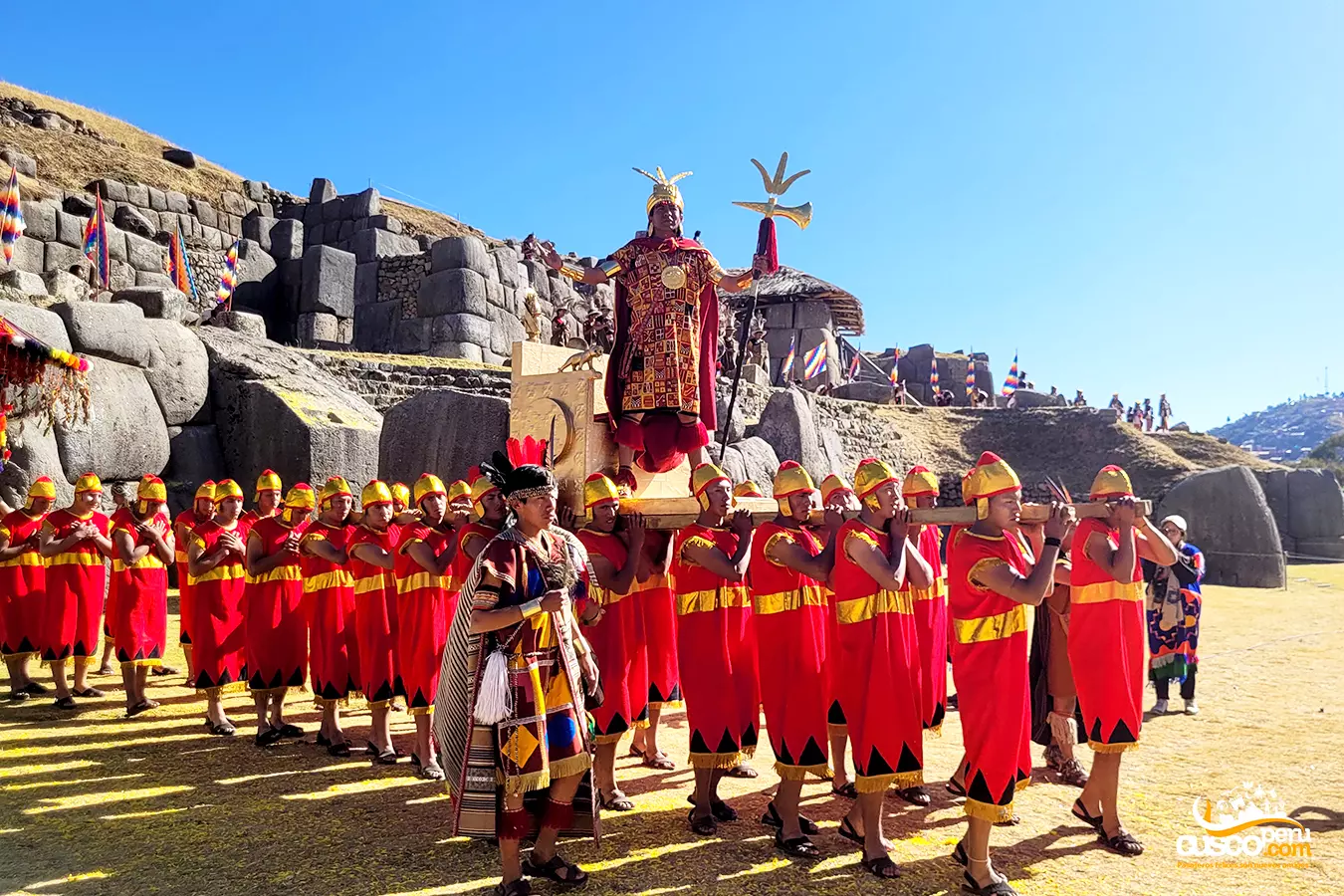
Today, Inca cultural performances and representations are held on the esplanade of Sacsayhuamán.
Every June 24th, the Inti Raymi is celebrated on the esplanade of Sacsayhuamán. This ceremony honors the Sun God and was one of the most important festivities during the Inca period, continuing today as one of the main cultural celebrations in Cusco.
It is one of the most important events of the year, as travelers from around the world gather to experience the staging of the Inti Raymi.
Monday to Sunday from 7:00 a.m. to 5:30 p.m.
Entrance to Sacsayhuamán is included in the Cusco Tourist Ticket.
Getting to Sacsayhuamán is easy, and there are several options available:

Image gallery

Happy passengers